
Shibari has become one of the most searched and photographed forms of erotic art in the world.
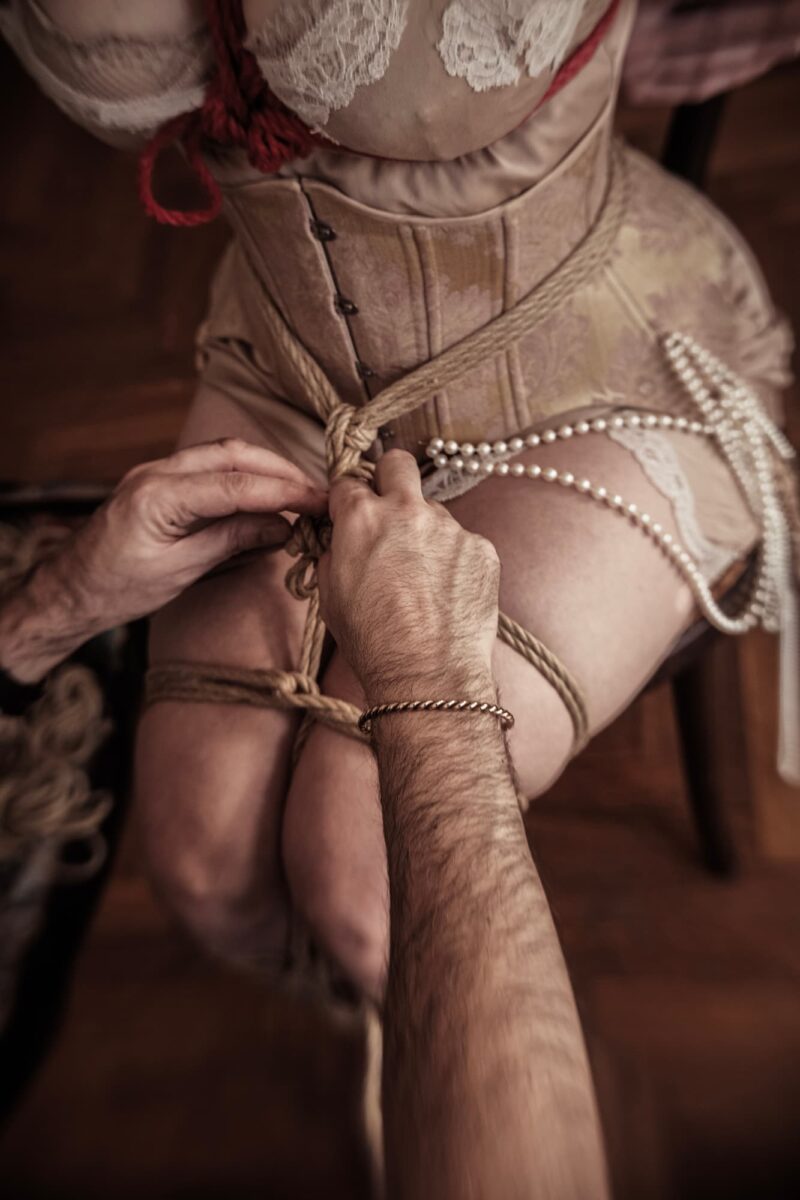
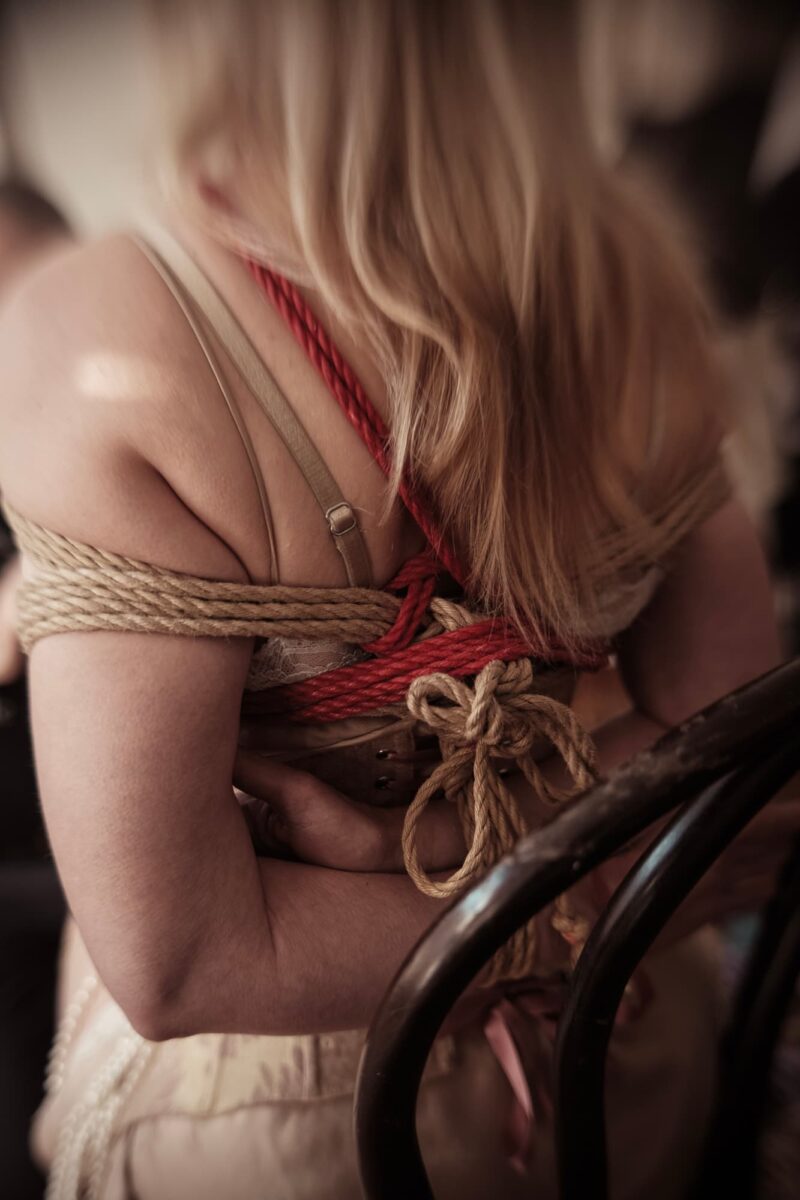
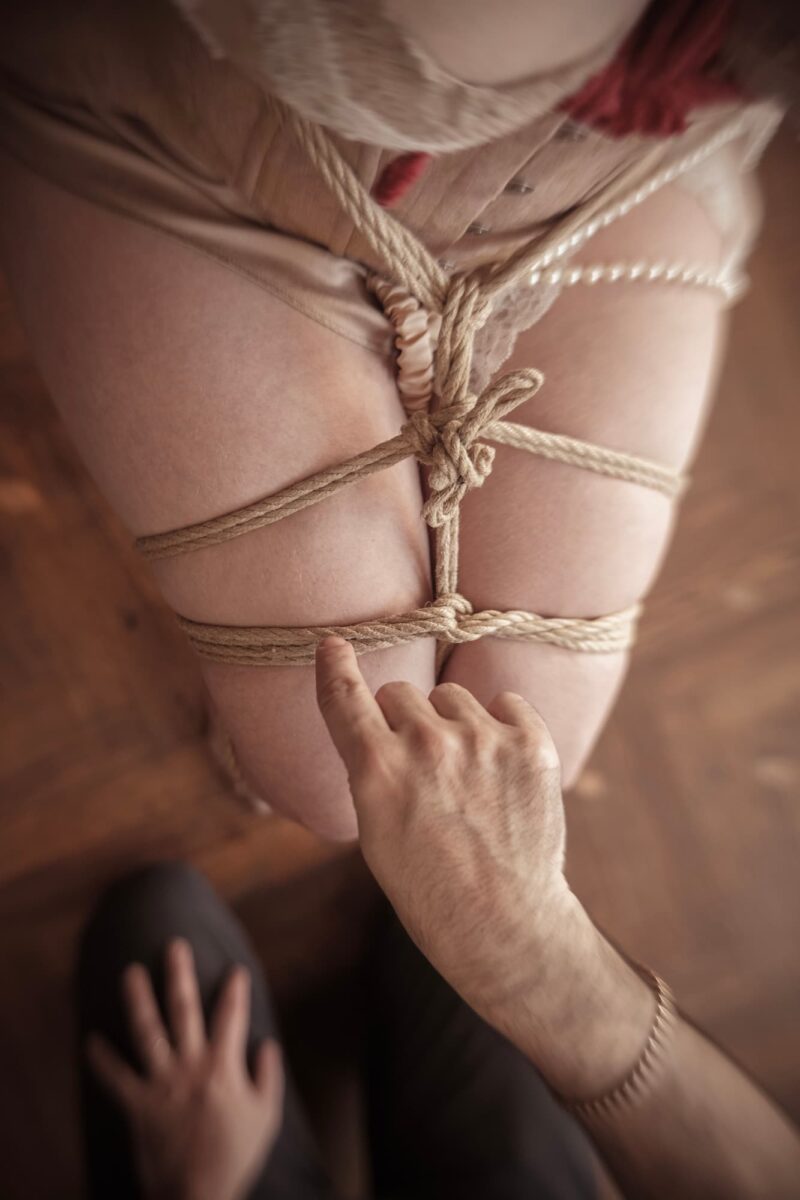
People discover it through photography, rope workshops, fashion editorials, or simply by scrolling through images of beautifully tied bodies on Instagram and Pinterest. But beyond the aesthetics, shibari is a practice built on presence, tension, trust, and the architecture of the human body.
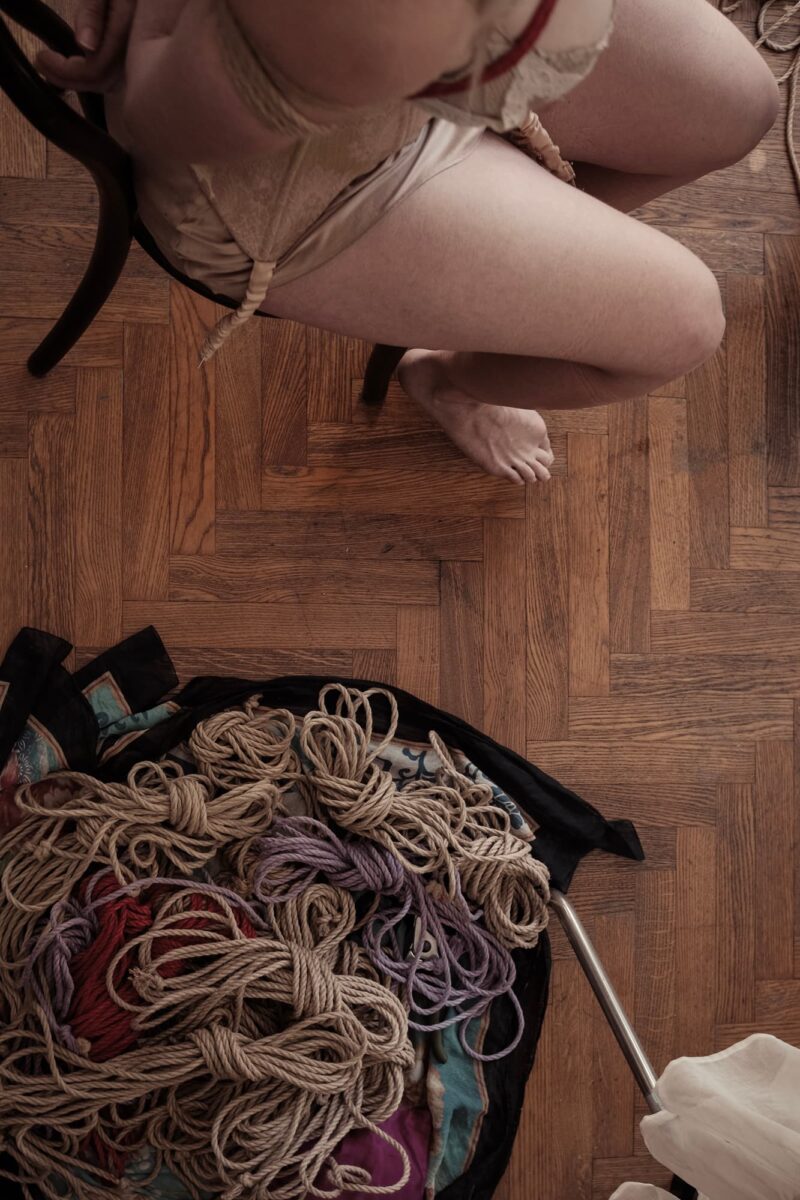
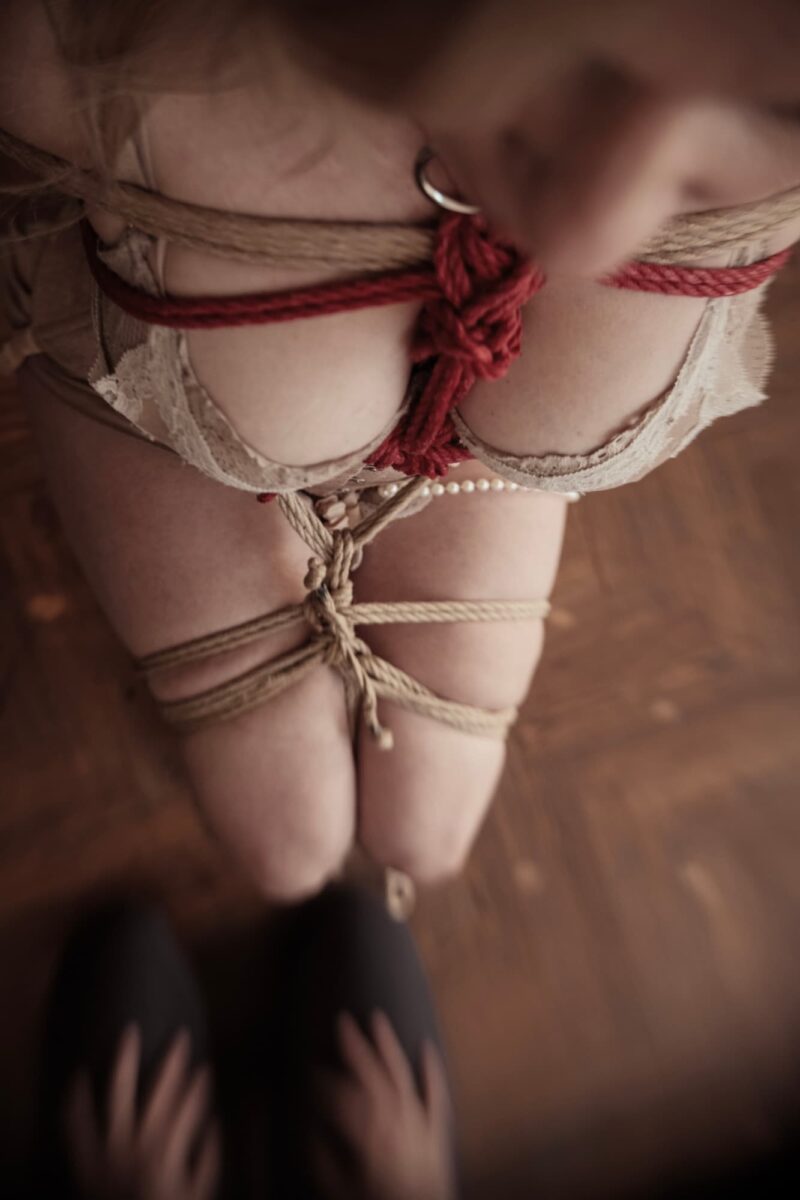
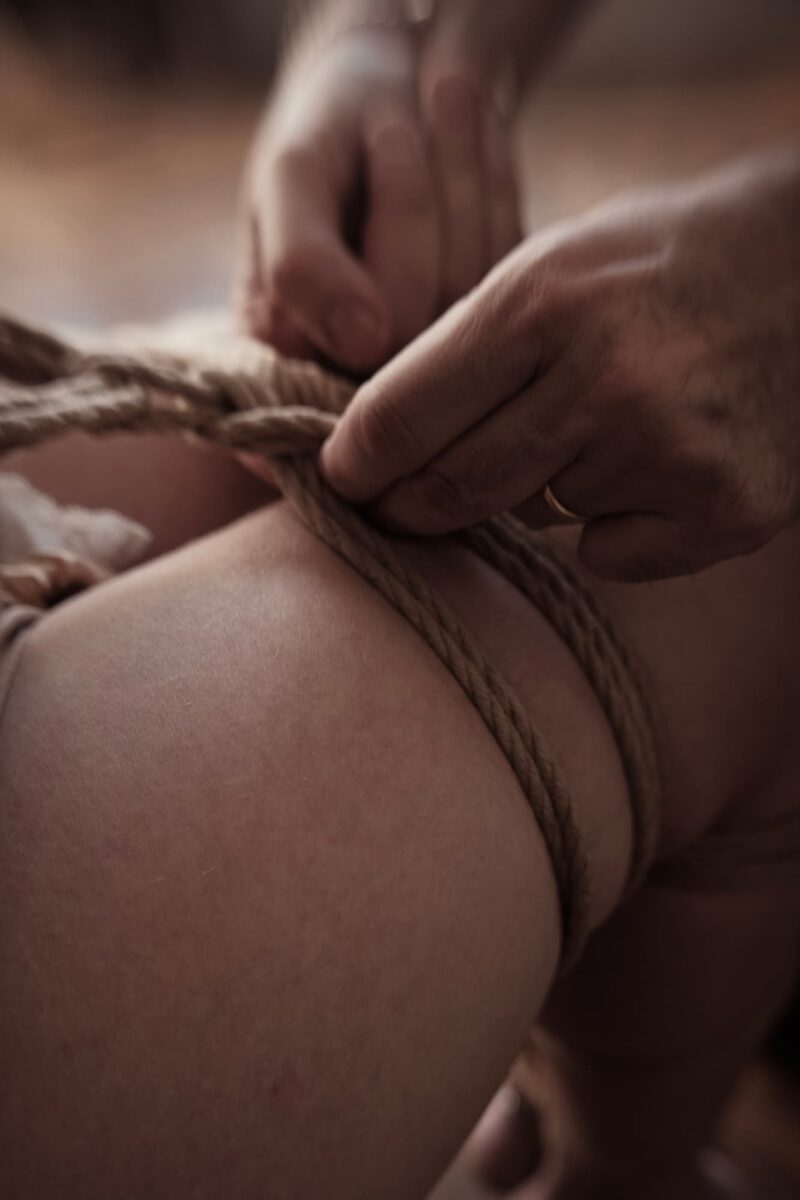
In our studio at La Cortigiana, we explore shibari through visual storytelling.
We work with professional riggers and models to capture the quiet, intimate moments that happen inside the rope – the micro-expressions, the shift in breathing, the way the body adapts to structure.
If you’re curious about shibari, whether as an art form, a couple’s practice, or simply a way to understand the symbolism behind rope, this guide will give you a grounded, realistic introduction.
What Is Shibari? A Simple, Honest Explanation
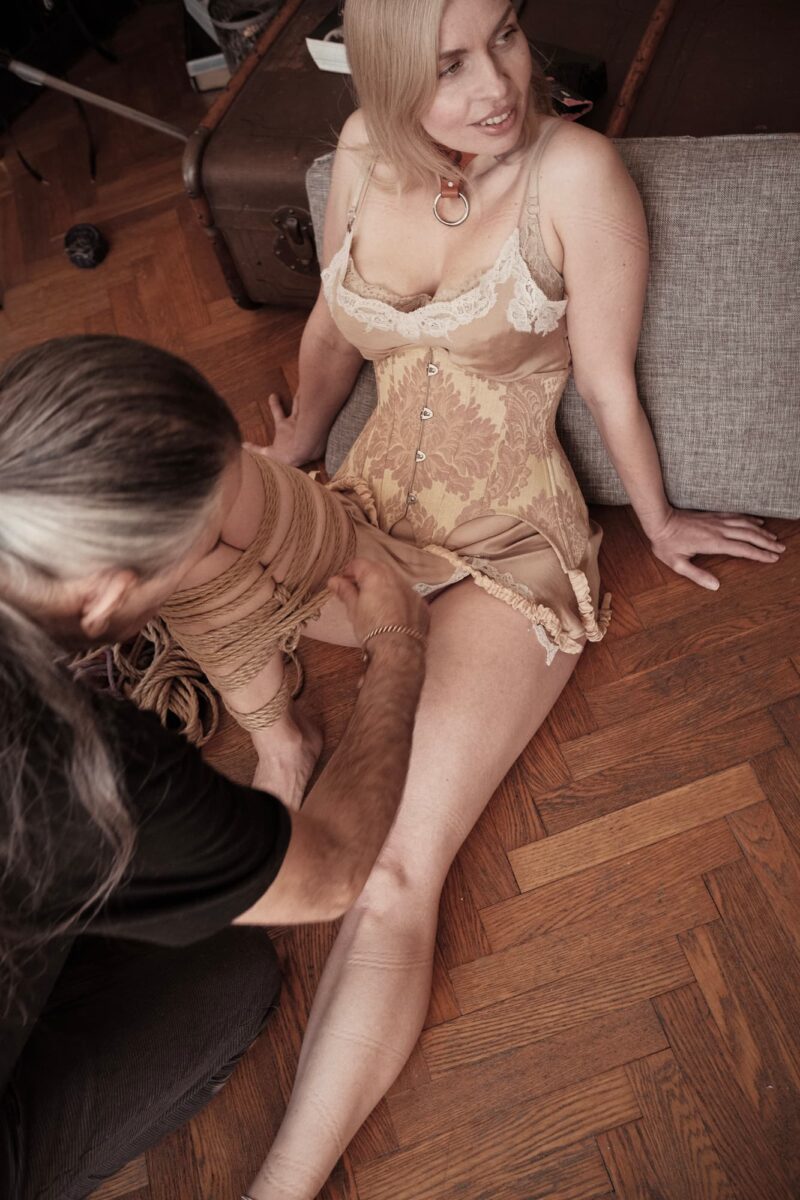
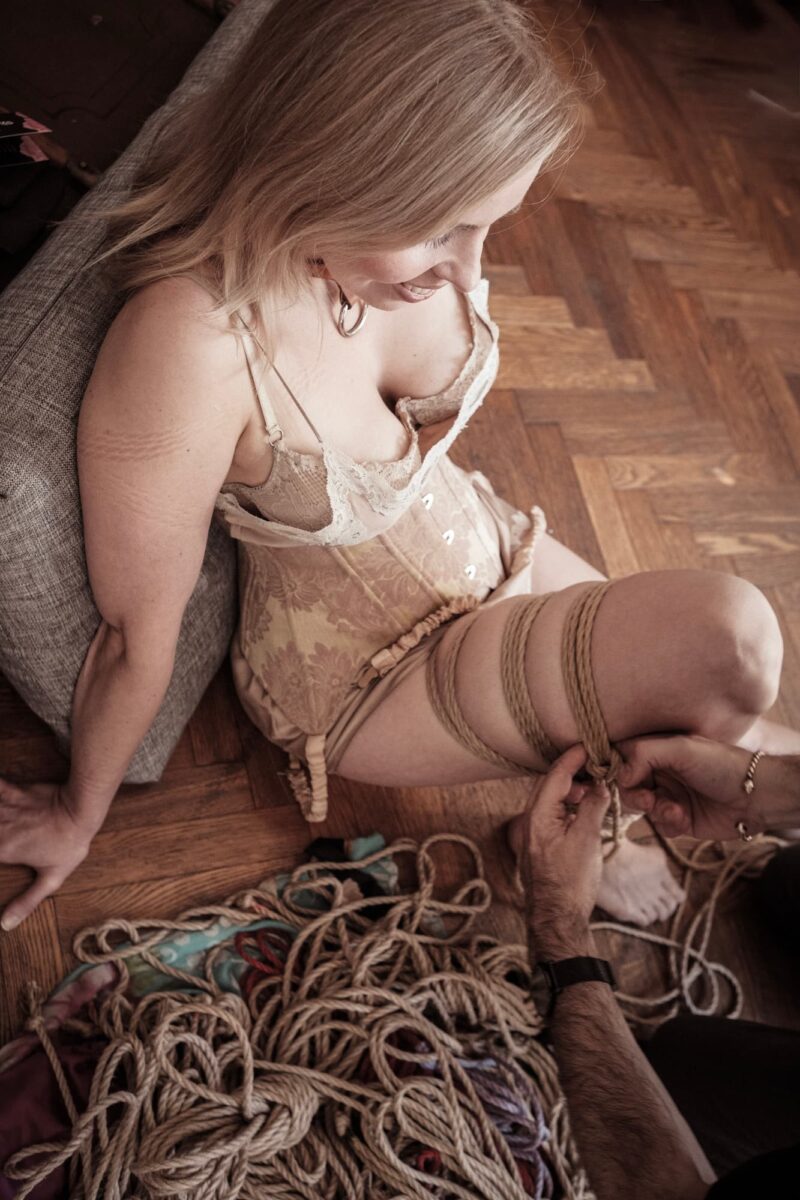
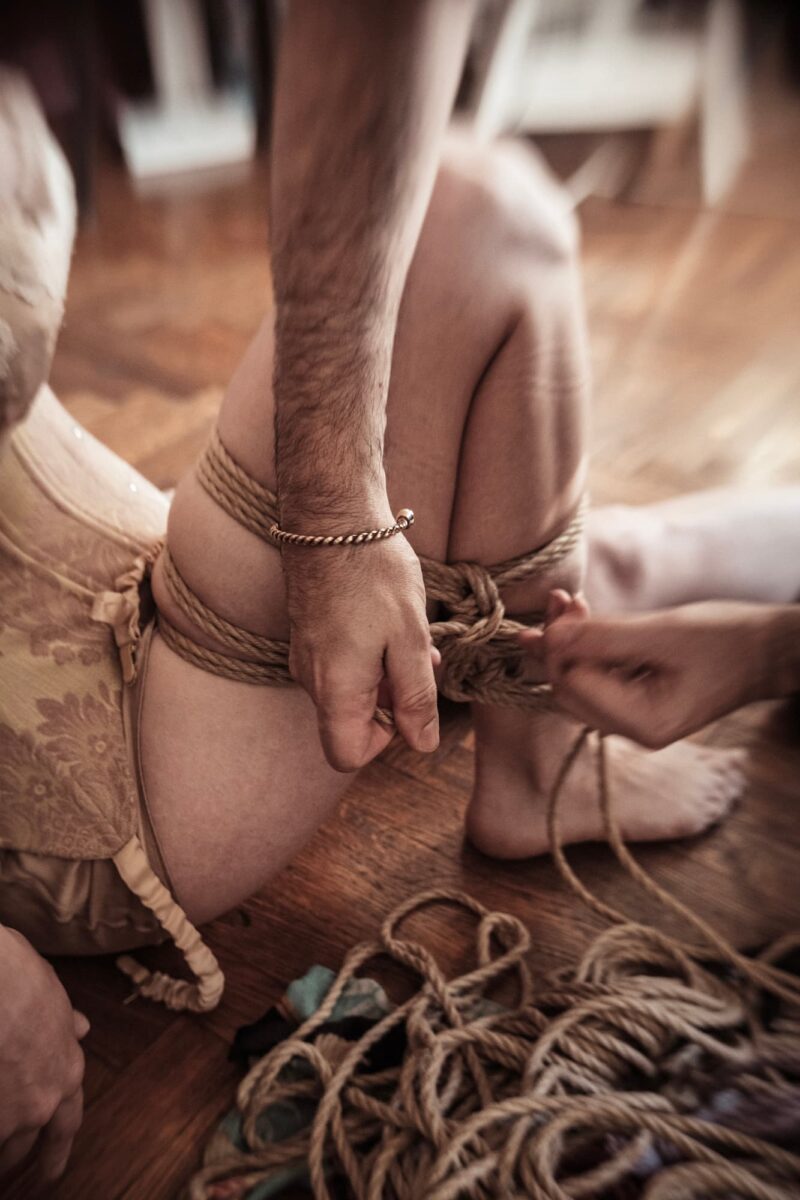
Shibari (縄縛) literally means “to bind with rope.”
It originated from Japanese Hojojutsu — a restraint technique used by samurai — and evolved into a modern aesthetic and erotic practice.
Today, shibari is known for:
- geometric rope patterns
- emphasis on body lines
- slow, controlled movement
- a dynamic of trust between model and rigger
- ritualistic, meditative atmosphere
It can be intimate and sensual, but it can also be artistic, therapeutic, or simply visually compelling.
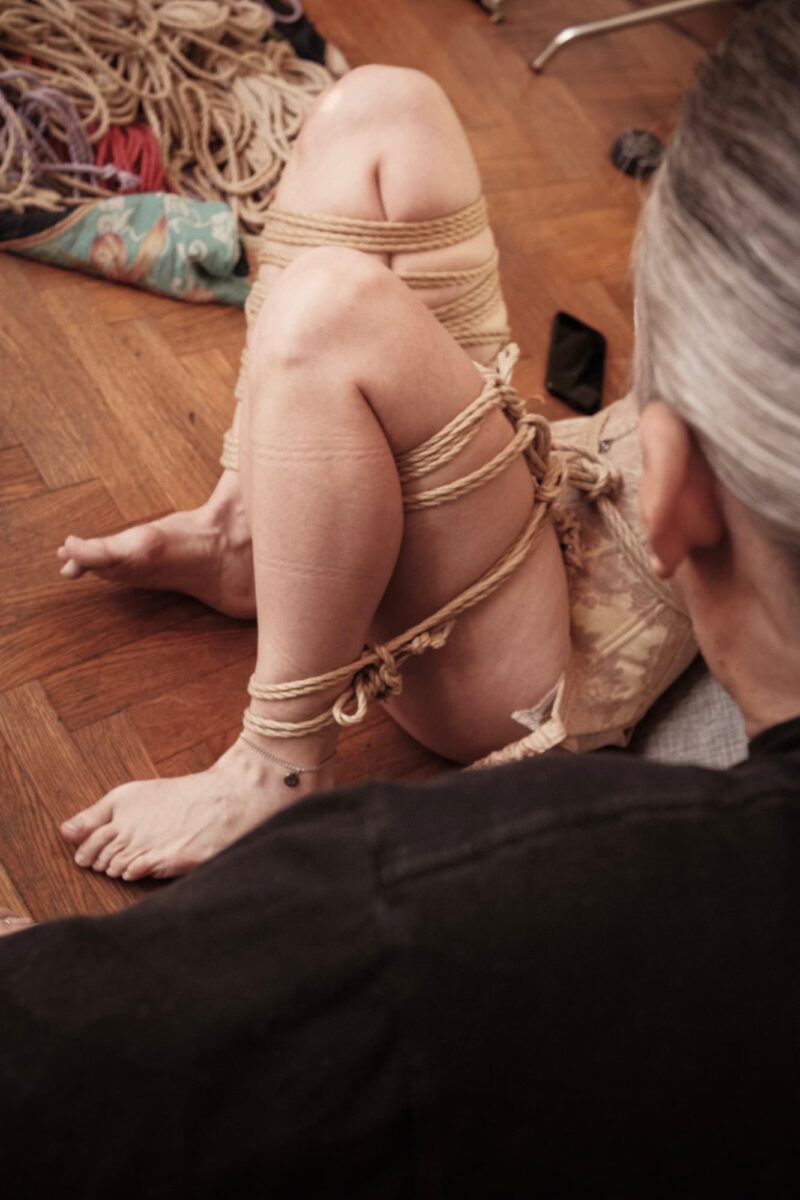
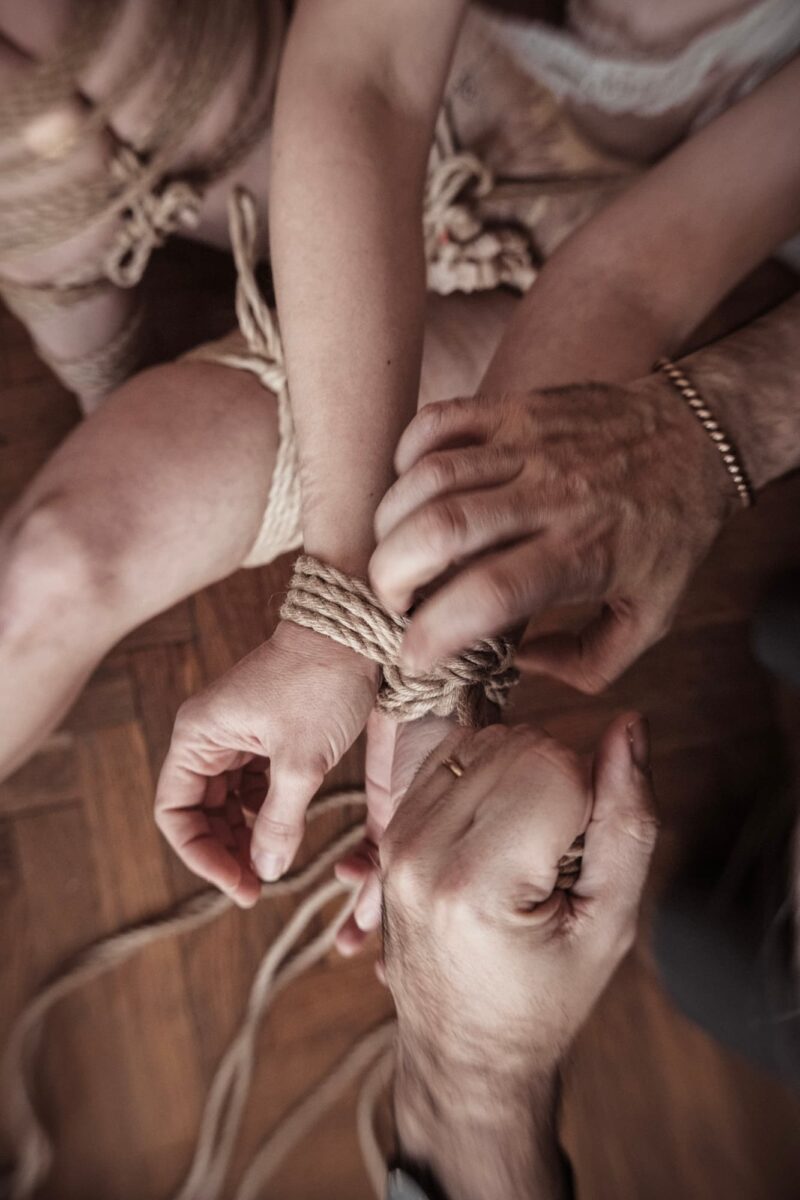
Modern shibari is often practiced:
- in photography studios
- in private sessions between partners
- at rope dojos and workshops
- in artistic performances
You don’t need to be an expert, athletic, or flexible to appreciate shibari – only present.
Why People Are Drawn to Shibari
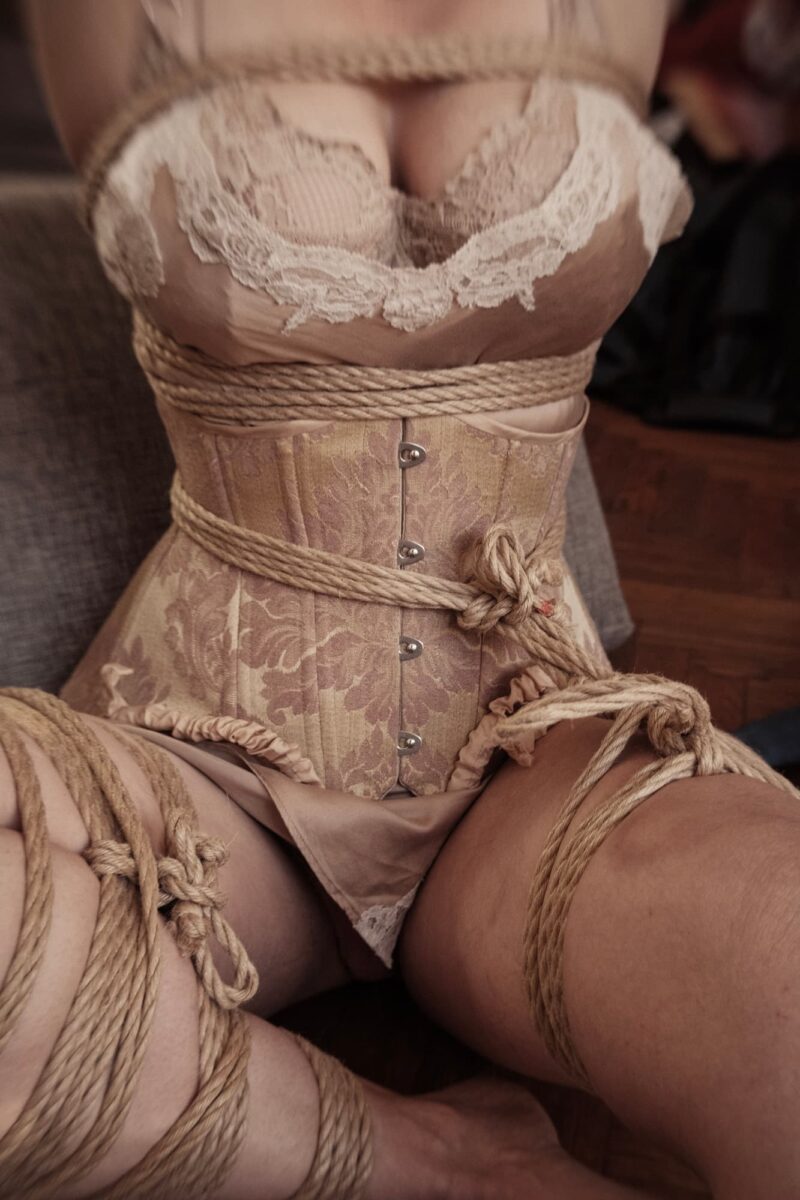
Search data shows a consistent rise in keywords such as:
“shibari meaning,” “rope bondage aesthetic,” “Japanese rope art,” “beginner shibari,” “rope body art,” and “shibari jewelry.”
People are curious for a reason:
1. The Aesthetic
Rope highlights the natural lines of the body.
It creates symmetry, contrast, and tension – elements that photographers and artists adore.
2. The Intimacy
The connection between model and rigger is palpable.
Even in our studio, the room changes when the rope tightens: breathing slows, the body focuses, silence becomes part of the ritual.
3. The Ritual
Shibari isn’t fast.
It’s patient, detailed, almost meditative.
For many people, it becomes a way to reconnect with their own body.
4. The Symbolism
Rope represents trust, vulnerability, surrender, balance, offering, connection.
For some – empowerment.
For others – release.
This symbolic world is also why shibari-inspired jewelry and accessories have become so popular. They’re not just ornaments; they act as quiet, intimate emblems of desire.
Shibari Photography: What You Don’t See on the Surface
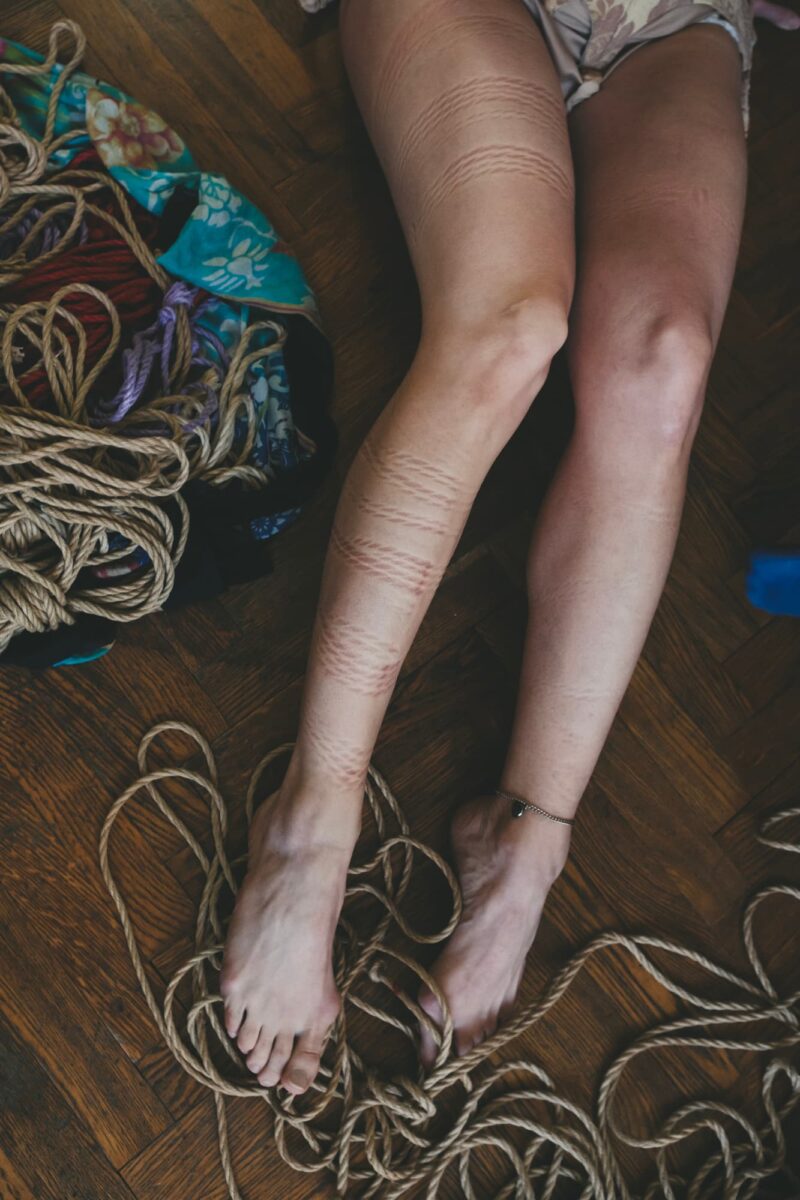
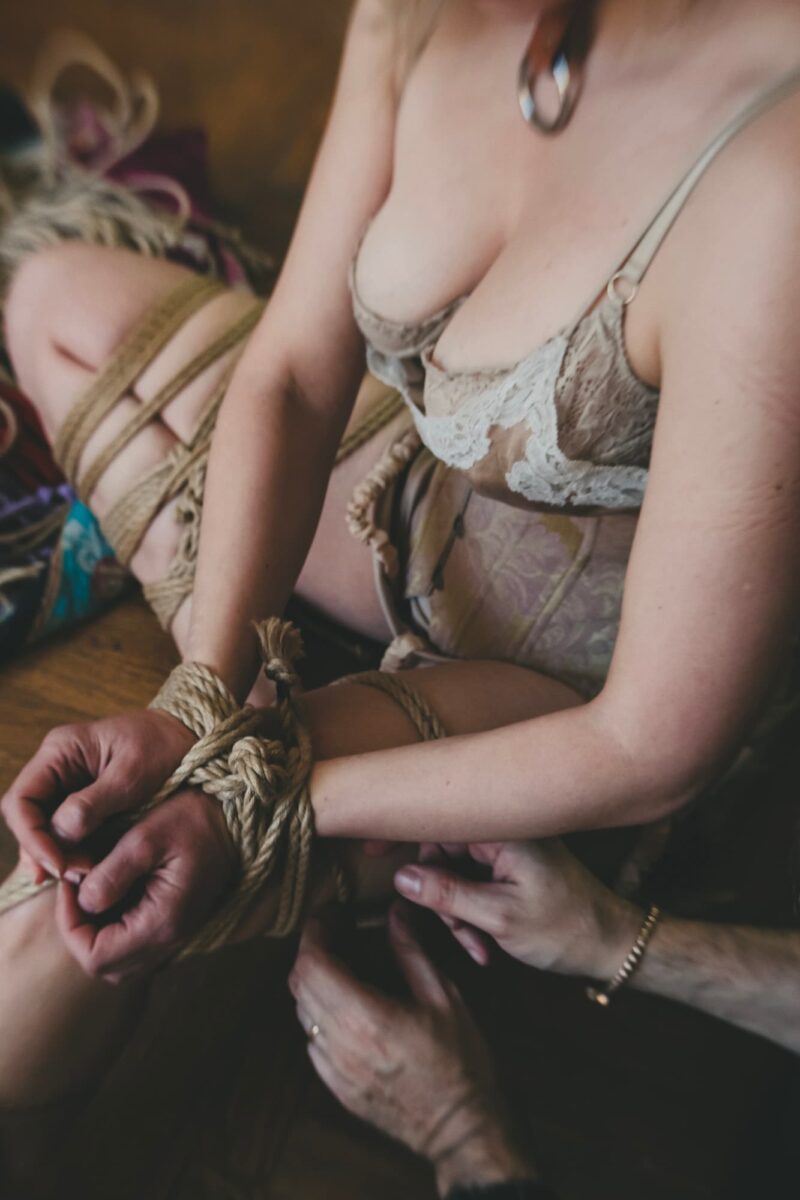
Most photographs capture the final pose, but the most revealing moments happen between the poses.
Working behind the camera, you notice:
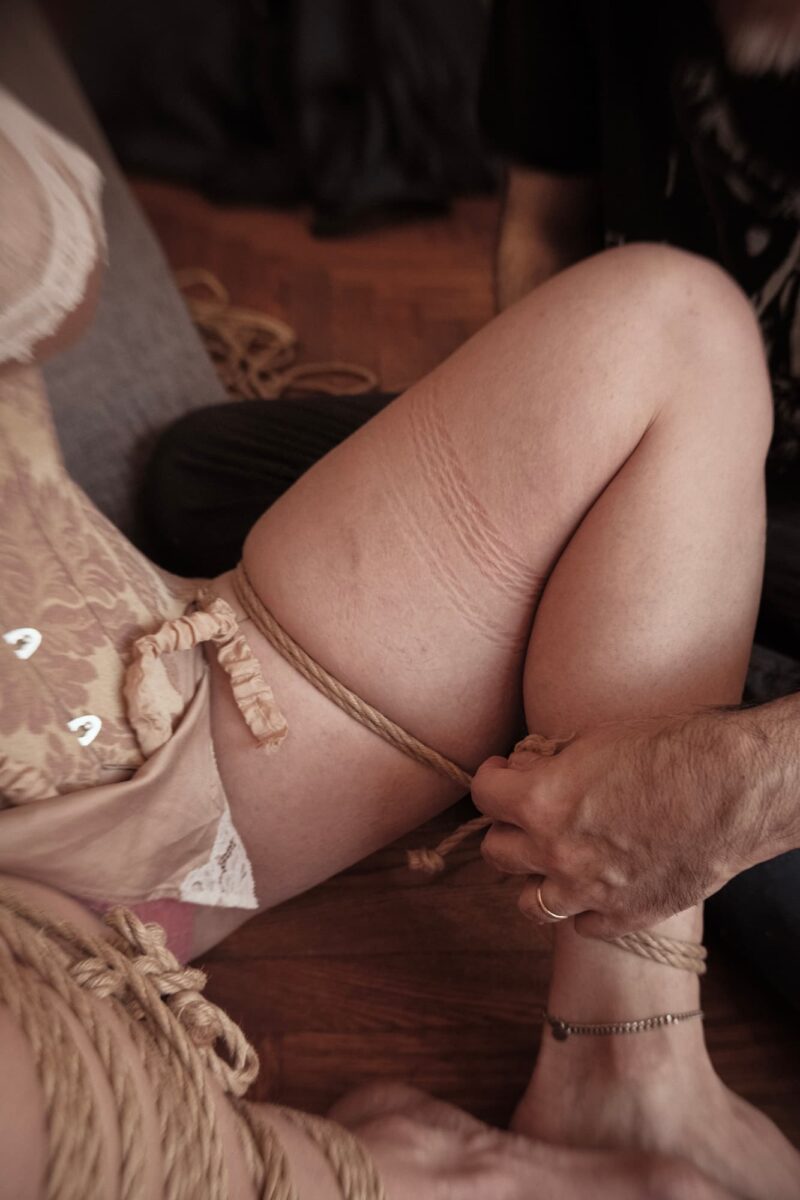
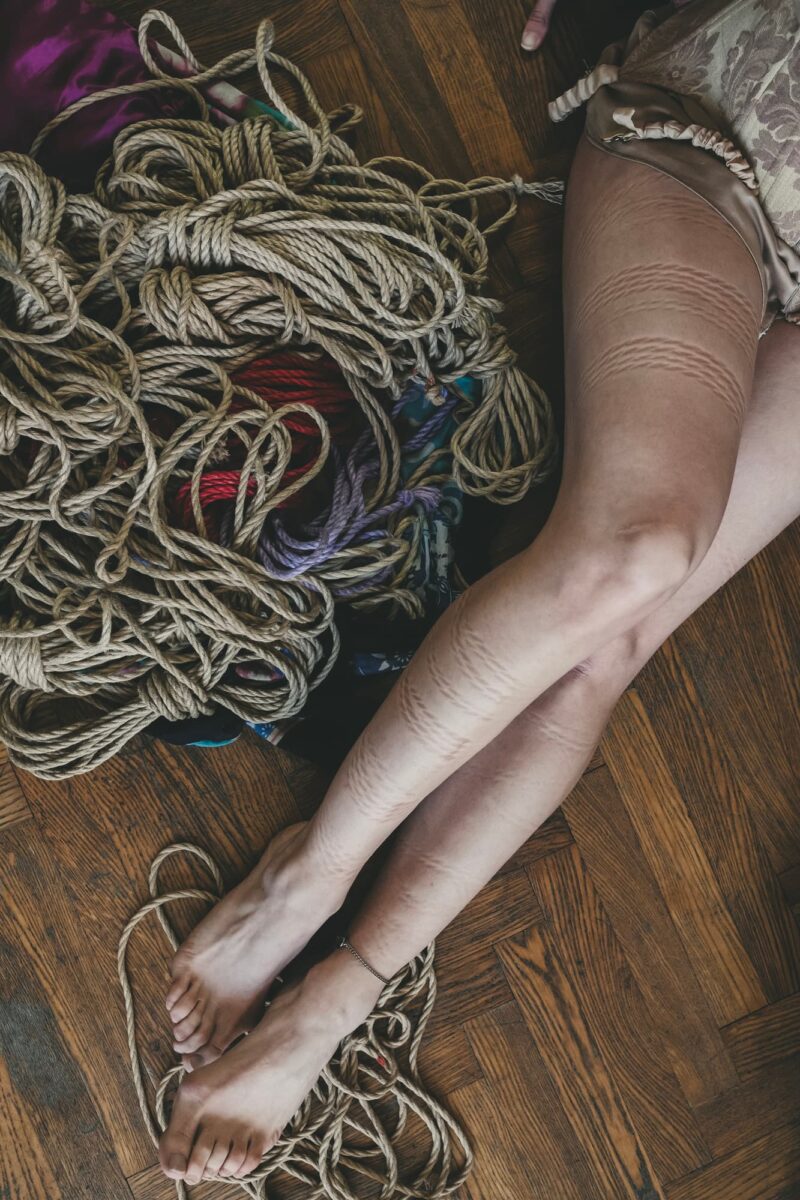
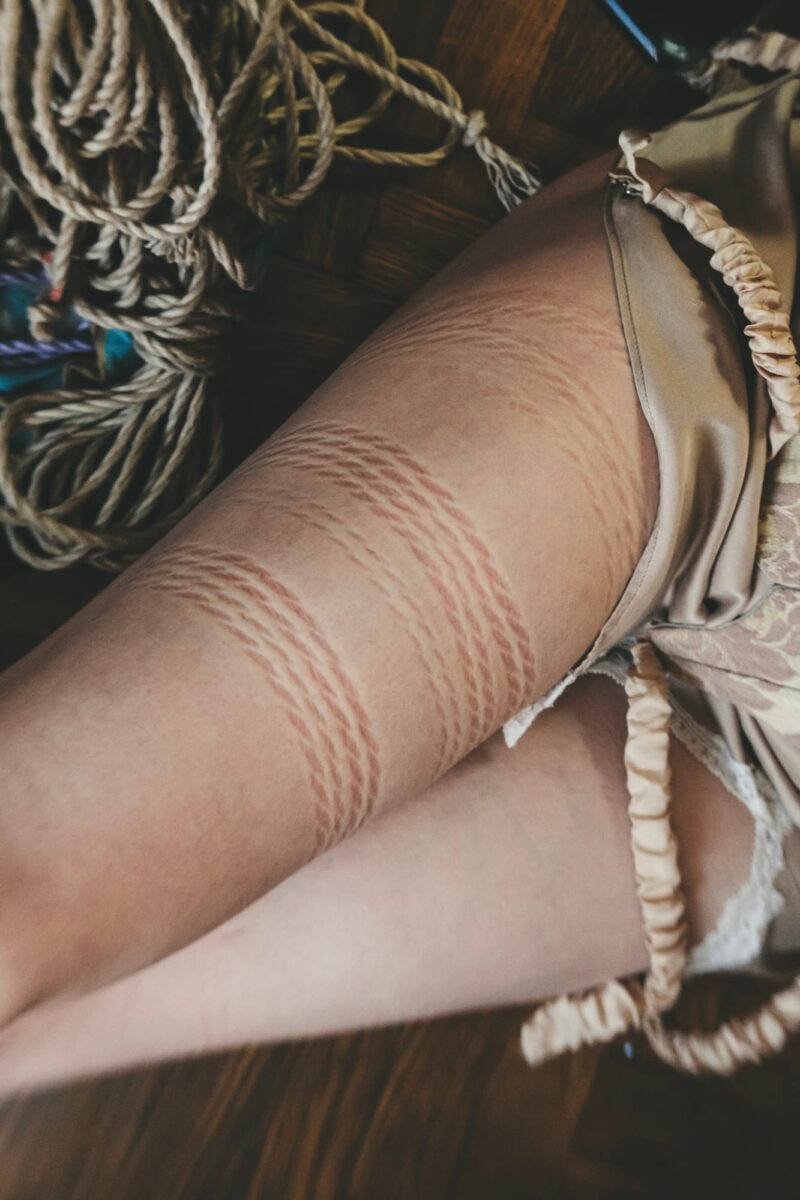
- tiny tremors along the thigh
- the skin warming under the rope
- the breath shifting as the knot tightens
- the split-second where the model stops performing and simply exists
Nothing dramatic — just small, human truths.
The rope doesn’t create these reactions; it uncovers them.
This is why shibari photography resonates so strongly online.
It doesn’t rely on shock or explicitness.
It’s the honesty, the tension, the stillness, the trust.
Rope as Symbol: Accessories Inspired by Shibari
As shibari gained global visibility, many people wanted a way to carry its meaning privately — without ropes, without sessions, without photos.
This is how shibari-inspired accessories were born.
At La Cortigiana, we design pieces that translate the aesthetic of rope into wearable symbols:
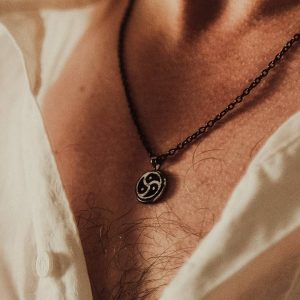
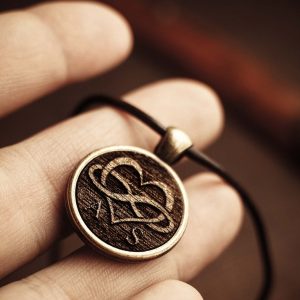
• Shibari Pendant
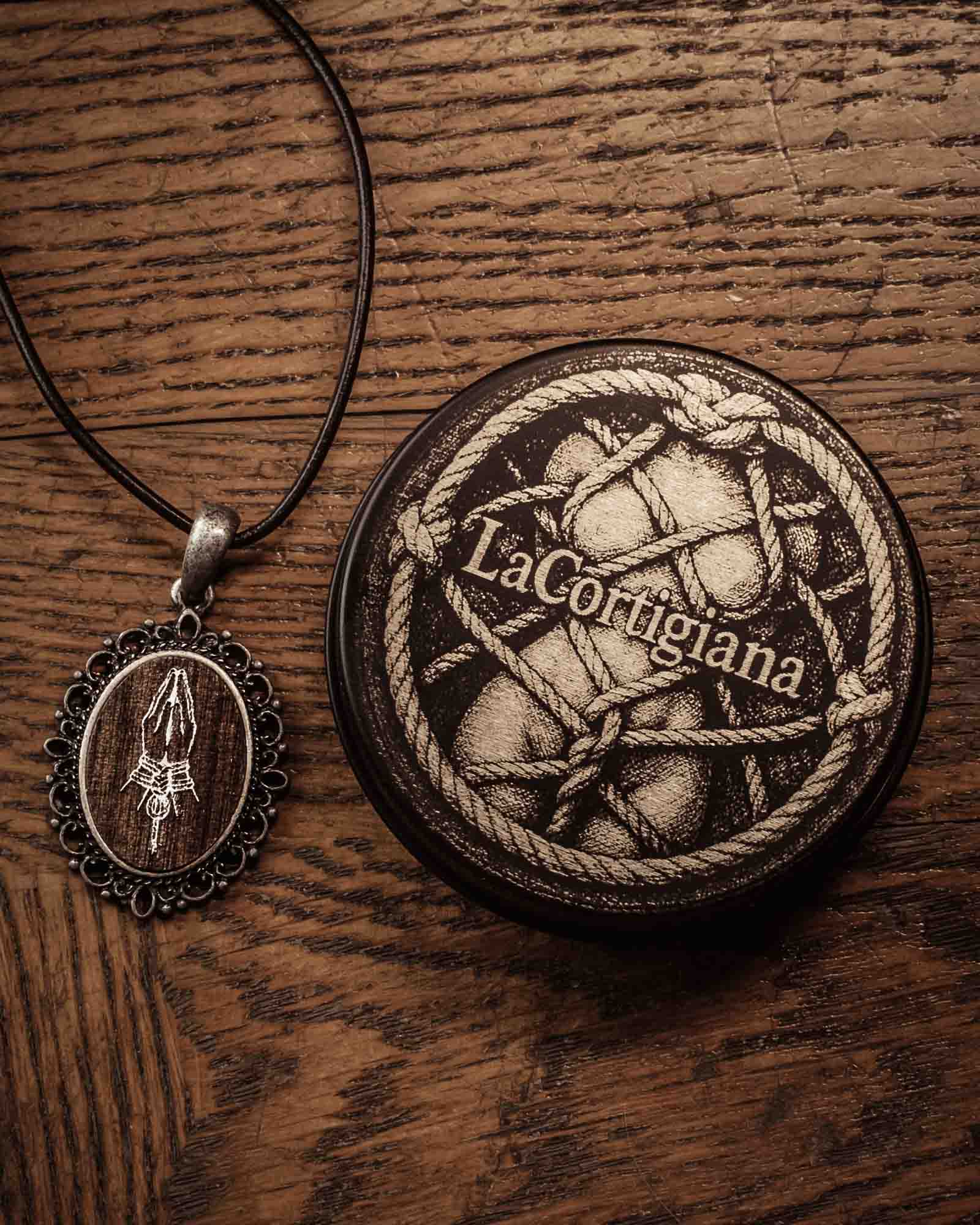
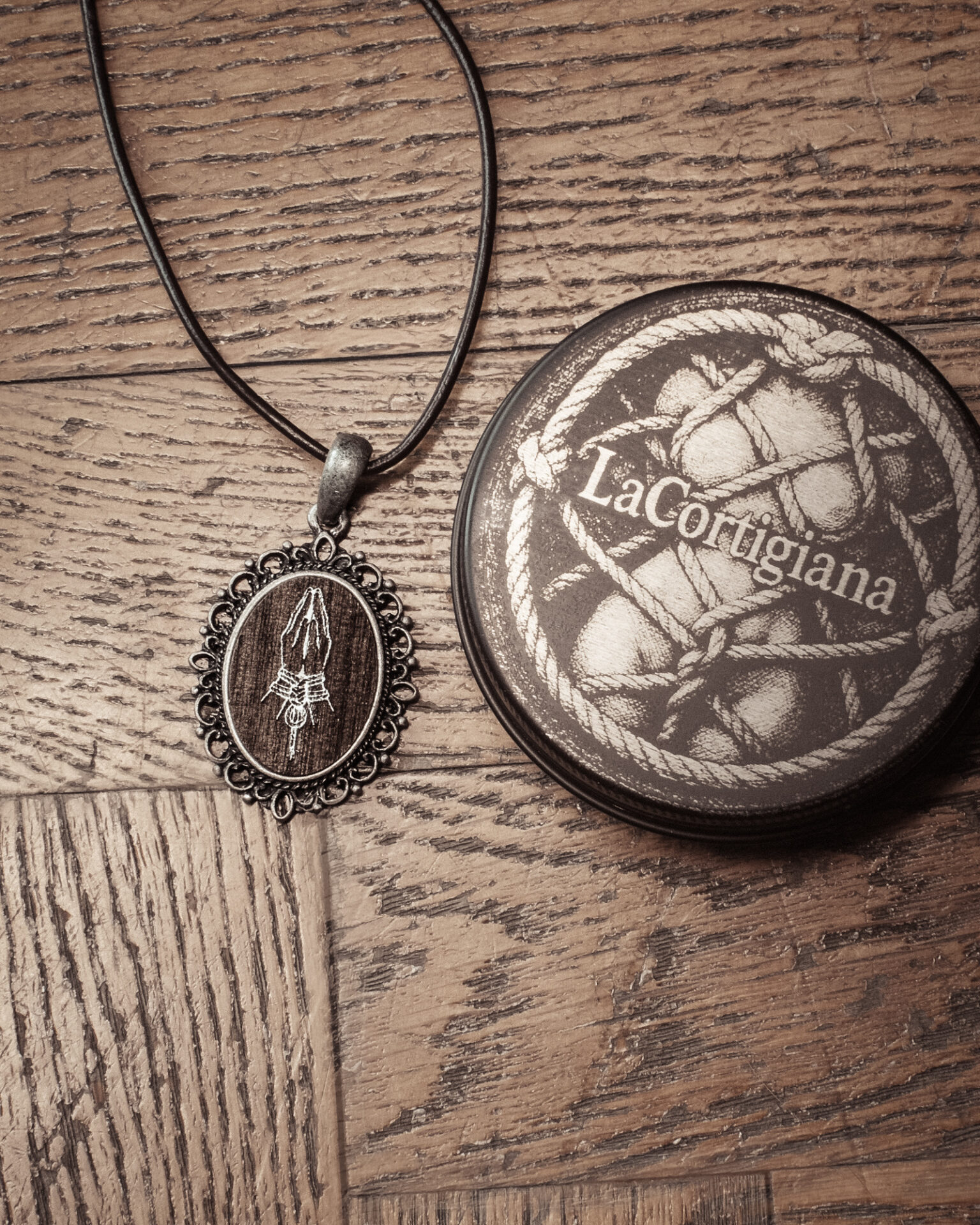
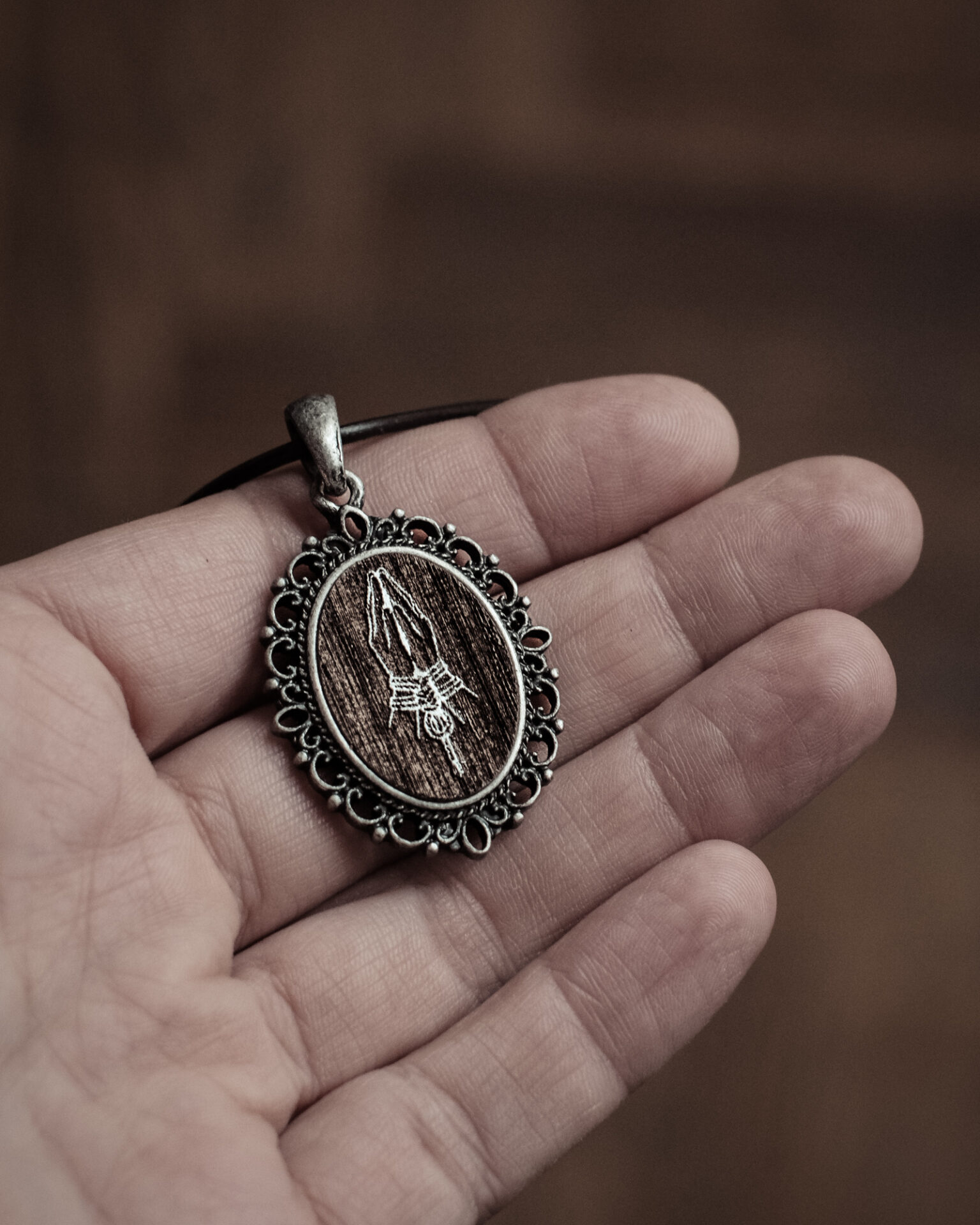
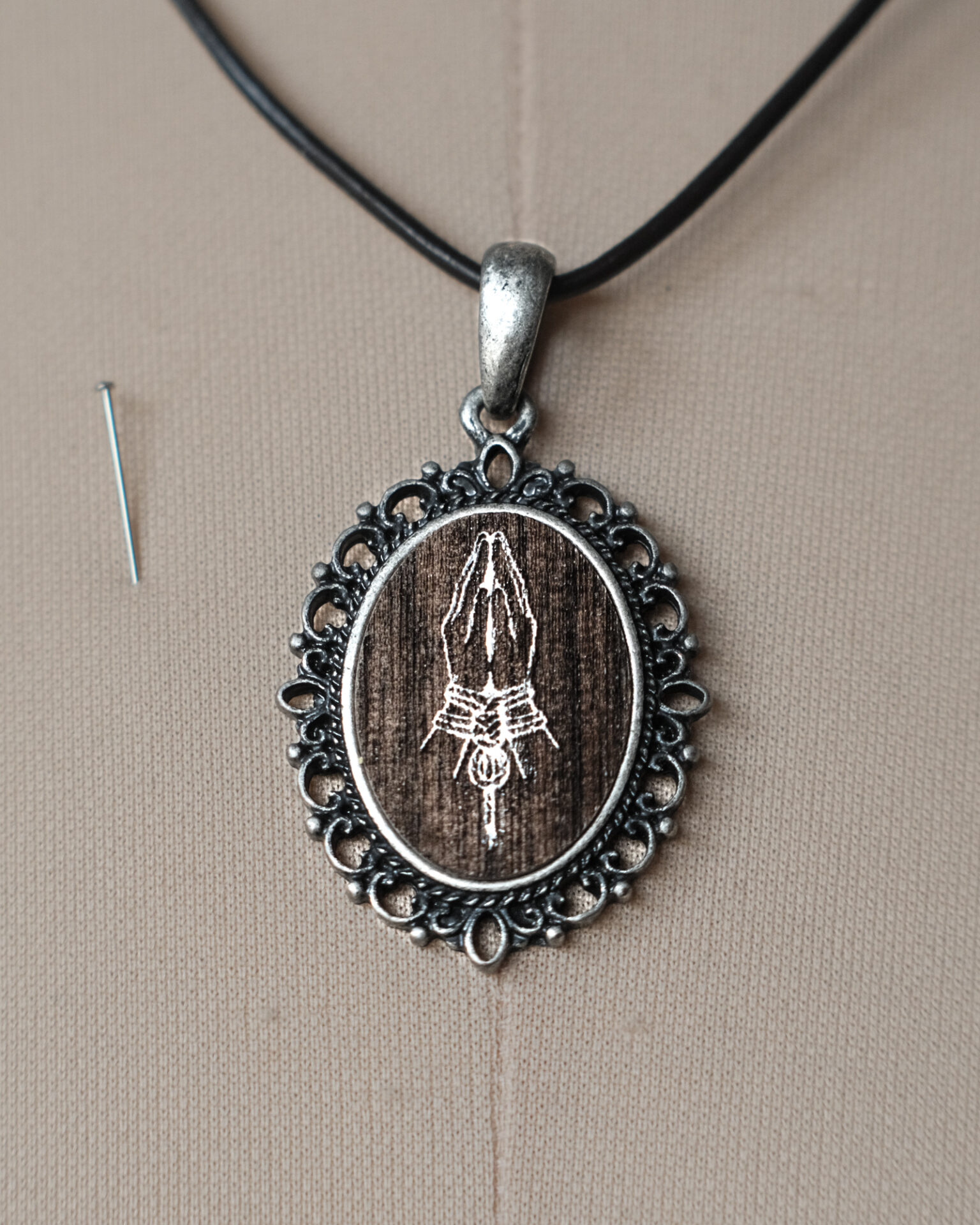
Shibari Pendant The Bound Hands Relic
75€
An aged-metal amulet set with natural walnut wood, engraved with our Bound Hands Sigil – a symbolic representation of trust, devotion, and the intimate language of rope. Suspended on a soft leather cord.
Description
The Bound Hands Relic is crafted as an object of quiet power.
Inside its aged metal frame lies an inlay of natural walnut wood, engraved with the Bound Hands Sigil – a symbolic gesture drawn from the ritual language of rope. Two hands meet in a gesture of surrender and connection, stylized to appear not as anatomy, but as an emblem of trust and shared intention.
The contrast between the warm grain of the walnut and the cool patina of the metal gives the piece the feeling of an artifact discovered rather than manufactured. The amulet hangs on a soft leather cord that adapts to the wearer’s body over time, creating a personal patina and presence.
This piece is not meant to be obvious.
It is discreet, intimate, and meaningful only to those who understand its vocabulary – a private sign of devotion, tension, softness and release.
Each amulet can be customized with up to two personal glyphs, individually stylized by our studio to preserve the ritual aesthetic of the original design.
Handcrafted in Italy.
Designed & Created exclusively by La Cortigiana.
Related products
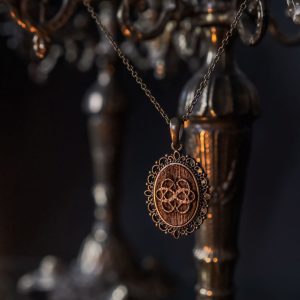
A single, clean line inspired by the structure of rope patterns.
A talisman of tension and release.
• Rope-Motif Bracelets and Earrings
Minimalist curves echoing the geometry of harnesses and knots.
• Engraved Personalised Accessories
Dark, elegant pieces that reference Japanese rope art without being literal.
Recognizable only to those who know.
• Gift Boxes for Rope Lovers
Curated sets for couples or individuals interested in shibari aesthetics — perfect for anniversaries, rituals, or adding a symbolic layer to intimacy.
These accessories consistently attract people who search for:
“bondage jewelry,” “shibari pendant,” “rope bondage accessories,” and “aesthetic BDSM gifts.”
How to Explore Shibari Safely (Even as a Beginner)
Whether you’re curious about trying shibari at home or simply want to understand it better, here are basic principles that every professional rigger repeats:
- Go slow.
Shibari is a conversation, not a performance. - Stay present.
Check in with your partner. - Avoid the neck and nerves.
Safety first. - Don’t chase complicated patterns.
Even simple wraps can be deeply intimate. - If something feels wrong — stop.
No “pushing through it.”
Exploring shibari doesn’t require suspension or advanced knots.
Most of the work — and most of the intimacy — happens on the ground.
Why Shibari Fits the Philosophy of La Cortigiana
La Cortigiana is built on three ideas:
- desire deserves aesthetic expression
- ritual is part of intimacy
- the body is a form of truth
Shibari brings all three together.
It reveals what the body feels before the mind explains it.
It creates symmetry out of vulnerability.
It transforms simple rope into a story of trust, tension, and the beauty of being seen.
Our photography, our accessories, and our creative direction all come from this belief:
that desire should be both felt and adorned.
If you’re exploring shibari for the first time – or simply drawn to its symbolism — our collections are designed to help you carry that connection, quietly and elegantly, into everyday life.
Reviews
There are no reviews yet.