
Stag & Vixen – a clear guide for couples who want elegance, not chaos
August 11, 2025
Sheer handmade panties
November 12, 2025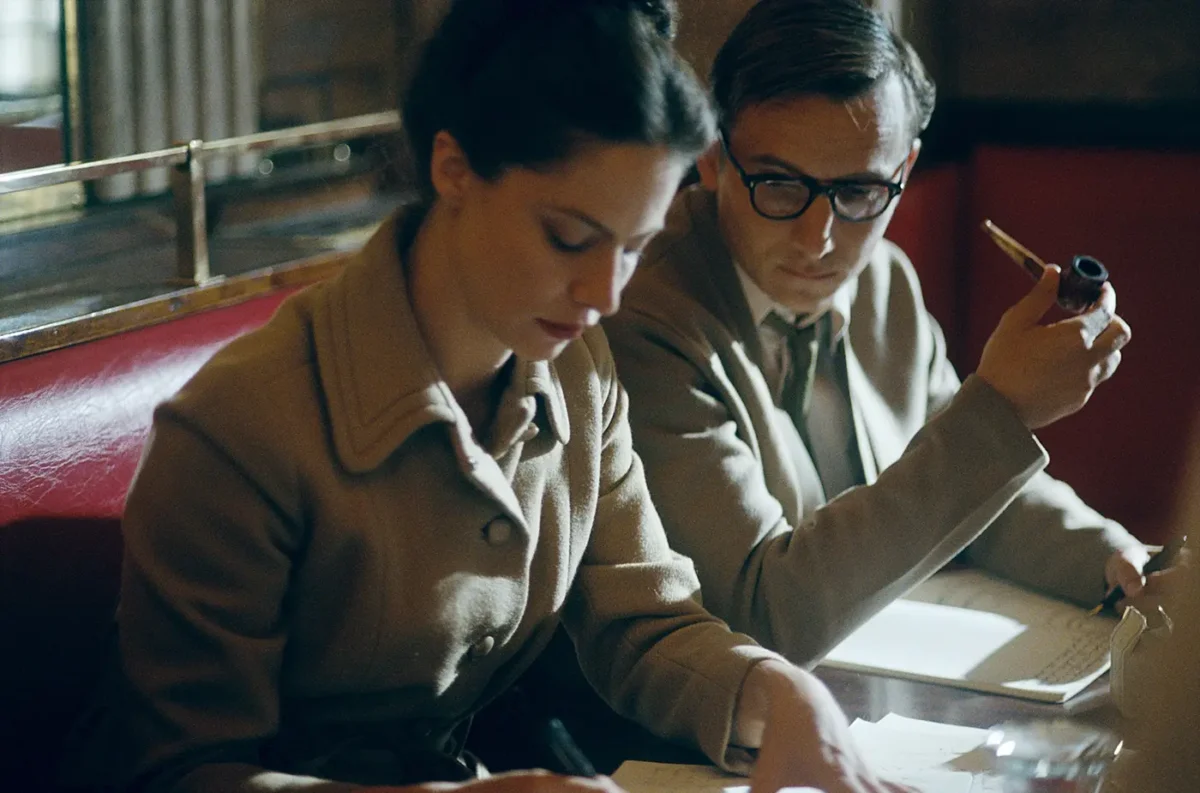
What if the most famous couple in philosophy built their love on affairs, confessions, and erotic experiments? Long before Tinder or polyamory had a name, Jean-Paul Sartre and Simone de Beauvoir turned their relationship into a laboratory of sex, jealousy, and freedom.
Paris, 1929. The cafés were still thick with smoke, absinthe and the aftertaste of war. At the École Normale Supérieure a young philosopher, Jean-Paul Sartre, met Simone de Beauvoir, a brilliant student three years younger. He was 24, she was 21. What began between them wasn’t a romance in the traditional sense. It was a contract, a manifesto. Sartre proposed a “pact of freedom”: no marriage, no children, no bourgeois trap of fidelity. They would remain each other’s “necessary love,” while everyone else would be “contingent loves.”
That one phrase — necessary vs. contingent — rewrote the script of modern intimacy. Today we would call it an open relationship or polyamory.
The Russian sisters

The most scandalous proof of this pact came in the early 1930s. Sartre seduced Olga Kosakiewicz, one of Simone’s Russian émigré students. Olga was brilliant, magnetic, and very young. Instead of breaking things off, Simone folded Olga into their private world.
But the story didn’t stop there. Soon Simone herself developed a sexual relationship with Olga’s younger sister, Wanda Kosakiewicz — even more provocative, because Wanda was still almost a girl, considered “innocent.” Suddenly the pact of freedom became a tangle: Sartre, Beauvoir, Olga, Wanda. Four lives, all marked by seduction, jealousy, and philosophical justification.
Both sisters would later appear as characters in Beauvoir’s novel She Came to Stay and in Sartre’s Nausea. Literature turned their entanglements into myth — but for the sisters, it was raw, lived experience.

Letters dripping with sex and cruelty
During World War II Sartre was mobilized, and Beauvoir filled her notebooks with reflections on desire and freedom. By 1947 she was in America, falling hard for Nelson Algren, the Chicago novelist who gave her both tenderness and rough sex. Their love affair lasted years. In her erotic letters she called him her husband, described the taste of his skin, begged him to slap her, confessed that she wanted to kneel at his feet. But every time, she returned to Sartre.

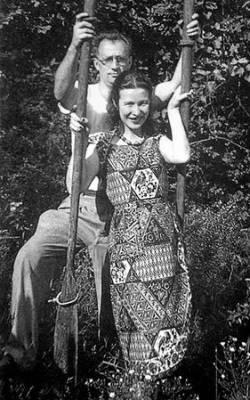
Sartre, meanwhile, was collecting lovers like souvenirs: actresses, secretaries, students. Some lasted months, some nights. There was Bianca Bienenfeld, Lena Zonina, Sylvie le Bon. Many were half his age. He wasn’t handsome, but the aura of existentialist philosophy made women crave him.
Jealousy as philosophy
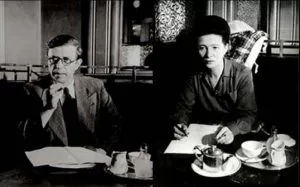
Their experiment was brutal. They confessed everything. They read each other’s love letters. They sat in cafés dissecting new affairs like intellectuals analyzing a text. When Simone slept with women, she told Sartre every detail. When Sartre slept with students, Simone demanded the names. Jealousy was not denied – it was swallowed, metabolized, turned into philosophy.
A lifetime of triangles
1960s: Sartre, nearly blind, kept surrounded by young women — Beauvoir called them “little fishes” but stayed by his side.
1929: Pact of freedom.
1931–34: The Kosakiewicz sisters (Olga and Wanda).
1939: Sartre goes to war. Beauvoir writes: “Jealousy is also part of our experiment.”
1947–52: Simone’s passionate love affair with Nelson Algren.
The scandal and the lesson
What shocked their contemporaries still feels radical now. They showed that love doesn’t have to mean possession. That you can be the center of each other’s lives, while your bodies wander through a crowd of others. That sex can be betrayal, and also philosophy. That two people can chain themselves together for life – not by vows, but by the refusal to lie.
When Jean-Paul Sartre died in 1980, fifty thousand people followed his coffin through Paris. When Simone de Beauvoir died six years later, she was buried beside him at Montparnasse. On their shared grave, flowers are still left by feminists, philosophers, and lovers who believe in freedom.